Packing Light for Fall: The Ultimate Guide for Europe

Yes, you really can pack for two weeks in just a carry-on.
If you’re planning a fall trip to Europe and wondering how on earth you’re supposed to fit everything into a carry-on… you’re not alone. Most people panic at the idea of packing light for a longer trip—especially with unpredictable weather and the urge to bring “just one more sweater” (and then five more).
I’ve been there. On one of my first trips to Germany, I packed two full suitcases and immediately regretted it. The car couldn’t get to my hotel because it was on a walk-only street (super common in Europe), so I had to drag both bags up a cobblestone hill—in the rain—while looking like a confused tourist on an accidental fitness challenge.
Over the years (and with some help from a friend who’s a total packing ninja), I’ve fine-tuned my system down to a science.
With the right strategy—including a solid personal item backpack and compression cubes—you really can fit everything you need into a carry-on suitcase. This guide will show you how to do it, step by step, so you’re ready for fall weather, stylish enough for café hopping, and blissfully free from suitcase shame.
Why You Think You Can’t Pack Light for Europe (But You’re Wrong)
Let’s talk about the mental spiral that kicks in as soon as you start pulling clothes for a two-week European trip:
“But what if I run out of clothes?”
“What if I don’t have what I need?”
“What if the weather shifts and I’m totally unprepared?”
“What if I pack too little and end up freezing… or sweating… or both?”
We’ve all had these thoughts. And they make sense—kind of. Nobody wants to be uncomfortable or stuck without the “right” thing. But here’s the reality: you will probably pack something you don’t end up wearing, or realize once you’re there that you wish you’d brought a different layer. That doesn’t mean you failed at packing. That means you’re human.
Even with all the travel experience I have, I still occasionally bring something I never wear—or find myself wishing I had something else. It happens. Case in point: on our Rhine River cruise, we didn’t pack warm enough coats. We expected cool fall weather, not “we might see our breath” cold. So… we went coat shopping. Found something warm and functional mid-sightseeing, and just like that, the trip was saved.
It was a little inconvenient? Sure. But it was totally doable—and now we have souvenir jackets that actually got used. Where there are people, there are stores. You’re not venturing into Antarctica. You’re going to cities and towns with shops, outdoor markets, and probably a Zara on every third corner.
So take the pressure off yourself to pack the perfect suitcase. Packing light doesn’t mean sacrificing style or comfort—it means trusting that you can adapt, and that you don’t need to haul your entire closet across borders just to be prepared. With the right basics, some smart layering, and a few packing tools (hello, compression cubes and a capsule wardrobe), you’ll be more than fine—you’ll be free.
Understand the Weather (and Why Layers Win Fall)

One of the fastest ways to pack the wrong clothes is to assume “50 degrees is 50 degrees everywhere.” It’s not. Trust me—50 degrees in Oklahoma is not the same as 50 degrees in the South of France. Humidity, wind, elevation, and proximity to water all play a big role in how that number actually feels.
Even if you’ve never been to a destination before, you can still get a sense of how the weather behaves in that region. Don’t just rely on a quick 10-day forecast. Instead, check average seasonal trends and use trusted sources like:
- Weather.com
- AccuWeather
- Time and Date
- Local tourism websites (many include seasonal weather tips)
European fall weather is all about layers.
Mornings and evenings tend to be crisp—sometimes downright chilly—while afternoons can warm up quickly, especially if you’re walking around or catching full sun. And that sun can disappear fast when clouds roll in or the wind picks up by the river.
If your day involves climbing steps to a lookout tower, wandering through a local church, or hiking up a steep cobblestone road (and chances are, it will), you’ll want easy, breathable layers you can peel off and re-layer as needed. Think of it like travel peel-and-stick—just for clothing.
So don’t overpack for every possible weather scenario—just pack smarter for fluctuations. A lightweight base layer, a warm but packable mid-layer, and a weather-ready outer layer will give you the flexibility to handle almost anything fall throws at you.
Layers aren’t just a packing tip—they’re your new travel besties.
Your Carry-On Strategy: Smart, Not Sparse
Packing light doesn’t mean packing less of what you need—it means packing smarter. And that starts with the right suitcase and a system that makes use of every inch.
Choose Your Luggage Wisely
Your carry-on needs to do two things really well:
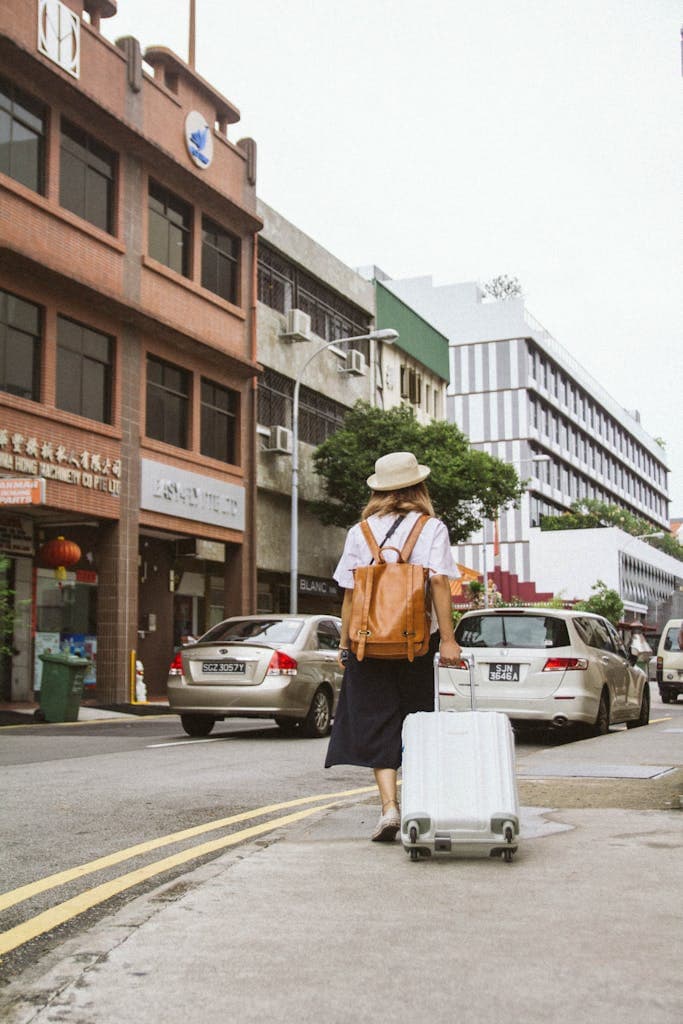
- Handle cobblestone streets without giving up mid-roll.
- Fit in those sometimes-smaller-than-you-thought European budget airline bins.
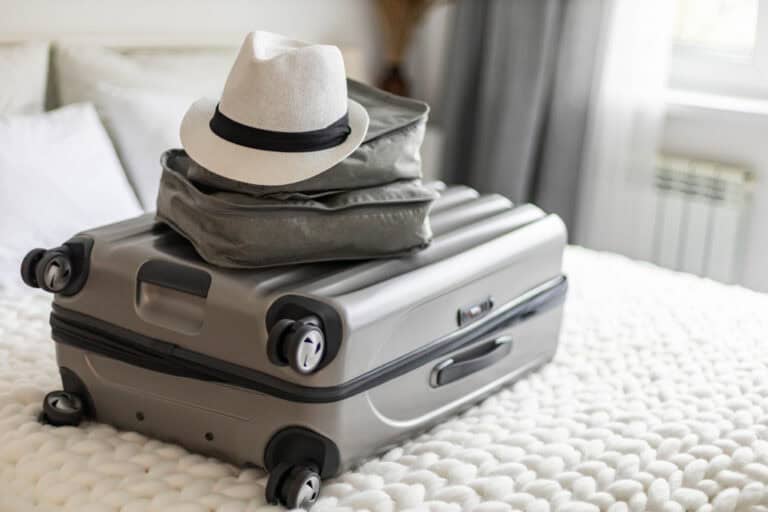
Hardshell suitcases are hands-down the better option. They offer more structure, which helps keep your packing cubes and contents compressed tightly—and they’re safer for travel. They’re far less likely to get sliced, torn, or suffer a tragic zipper blowout mid-transit.
My personal favorites? Paravel and Monos. They’re not the cheapest options, but they are absolutely worth every penny. Not only are they durable, they glide like a dream. Even when fully packed, they practically roll themselves—you’re not dragging a dead weight behind you, especially on uneven streets or train platforms.
Look for a clamshell design with flat interior compartments—these work beautifully with compression cubes and help balance your items evenly.
Why Compression Cubes Are Non-Negotiable
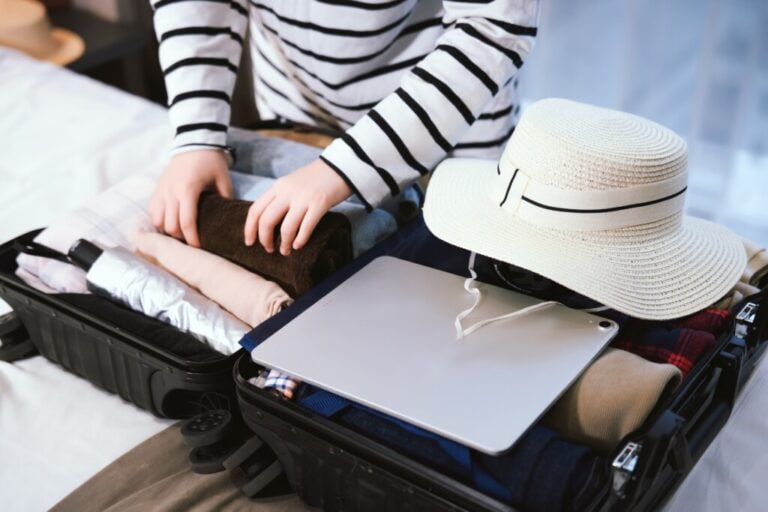
I never really leveled up my packing game until I got my Paravel compression cubes—and now I don’t go anywhere without them. They’re not just little fabric boxes to hold your clothes. You need actual compression. That zip-down second zipper is the magic that lets you pack full outfits into half the space and still zip your suitcase closed without sitting on it.
Trust me, once you use real compression cubes, you’ll never go back.
How to Pack Like a Pro
Here’s how I typically pack my bag to maximize space:
- Compression cubes: Fill them with rolled or folded items by category (tops, bottoms, layers), compress them down, and stack them like Tetris pieces.
- Bulky items: Lay heavier sweaters or jackets flat on top of the cubes—don’t try to stuff them inside and waste the cube space.
- Shoes: Wedge them into corners and gaps, usually around the base of the bag. Stuff them with socks, tights, or chargers to save space and keep their shape.
- Jeans: Depending on the bag, I’ll either roll them or lay one pair flat along the bottom to create a level surface (great for bridging the awkward handle bumps some suitcases have).
And always, always wear your bulkiest shoes and outerwear on your travel days. That’s free real estate.
With a smart carry-on and a little strategy, you don’t have to pack like a minimalist monk to travel light. You just need a plan—and a few clever tools to pull it off.
Build Your Fall Capsule
Capsule = fewer clothes, more outfits. That’s the magic.
One of the best ways to pack light is to build a fall capsule wardrobe—a small but versatile collection of clothing where everything mixes and matches. It’s like wardrobe math that actually works in your favor, especially when space is tight.
Here’s a sample capsule I’d use for a 5–7 day fall trip in Europe:
For longer trips (10–14 days), I’d take a few more pieces than what’s listed here—usually one or two more tops and an extra bottom. And depending on the trip, I sometimes pack a third pair of shoes if I need something a little dressier or weather-specific.
If you want to see how I break down outfits and build capsules step-by-step, check out these posts:
👉 Best Capsule Fall Wardrobe for a 3-Day Trip
👉 How to Build the Best 3–5 Day Travel Capsule for an Urban Getaway
The same rules apply—just add a few extra pieces for more outfit flexibility, depending on your destination and how much you’ll need to rewear items.
A smart capsule makes getting dressed every morning so much easier—and leaves room in your suitcase for that cute souvenir scarf you’re totally going to find in a side-street boutique.
Layering 101: Cozy Without the Bulk

How to stay warm without looking like a croissant.
Fall weather in Europe loves to keep you on your toes—crisp mornings, warm afternoons, sudden breezes, and the occasional “didn’t see that coming” drizzle. The key to staying comfortable (and still looking pulled together) is layering with intention.
Here’s how I build my layers so I’m warm, stylish, and not stuck sweating in a café 20 minutes into a walking tour:
Start with Functional Base Layers
For colder regions, I pack thermal separates instead of a one-piece long john situation. That way, I can wear the top, the bottom, or both, depending on the day’s weather and activities. Hiking up a hill in full thermals? Maybe not. Touring a castle in the wind? Yes, please.
I also love having a lightweight T-shirt or long-sleeve tee under all my sweaters or sweatshirts. That gives me the option to peel off layers when the sun comes out—no changing necessary, just a quick outfit refresh in the bathroom mirror.
Add a Packable Rain Layer
If there’s even a chance of rain, I always bring a packable rain jacket—the kind that folds into its own little pouch. It’s perfect for day trips or city exploring when you don’t want to carry a bulky coat “just in case.”
Accessories that Earn Their Keep
Scarves are my MVP layering item. They keep your neck warm during chilly sightseeing mornings and double as a wrap for dinners or chilly evenings. Bonus: they’re great for wind protection and easily stash in a tote or day bag.
On the coldest days, I tuck a hat and gloves into the pockets of my warmer outer coat so I’m never caught off guard.
Shoes that Work Overtime
When layering up, don’t forget about your feet. Boots that are weather-friendly and walkable give you the best of both worlds—function and style. And if you’ve followed the capsule wardrobe tips above, they’ll pair with every outfit you brought.
Sample Outfit Formulas:
Layering doesn’t have to be bulky or boring. With the right mix of breathable layers and smart accessories, you’ll be ready for every version of fall Europe throws at you—without turning into a walking laundry pile.
Airport Style That Works on the Ground
Because you’re going to be in that outfit for a while… make it count.
Let’s talk travel day clothing—because chances are, you’ll be wearing that outfit for 24 to 30 hours straight. Between long-haul flights, layovers, time zone changes, and navigating your arrival city, comfort is everything. But so is strategy.
Comfort First, but Test It First
Never—and I repeat, never—wear brand-new, untested clothes on a travel day. I learned this the hard way. One unfortunate shirt choice had me sweating through the Philadelphia airport and heading straight to a terminal store to buy a new one. Lesson learned.
Before your trip, test-wear your full travel outfit around the house or on errands. Sit, walk, carry bags, and see how it feels after a few hours. It’ll save you from mid-flight regret and last-minute wardrobe changes.
Bulk Goes on Your Body
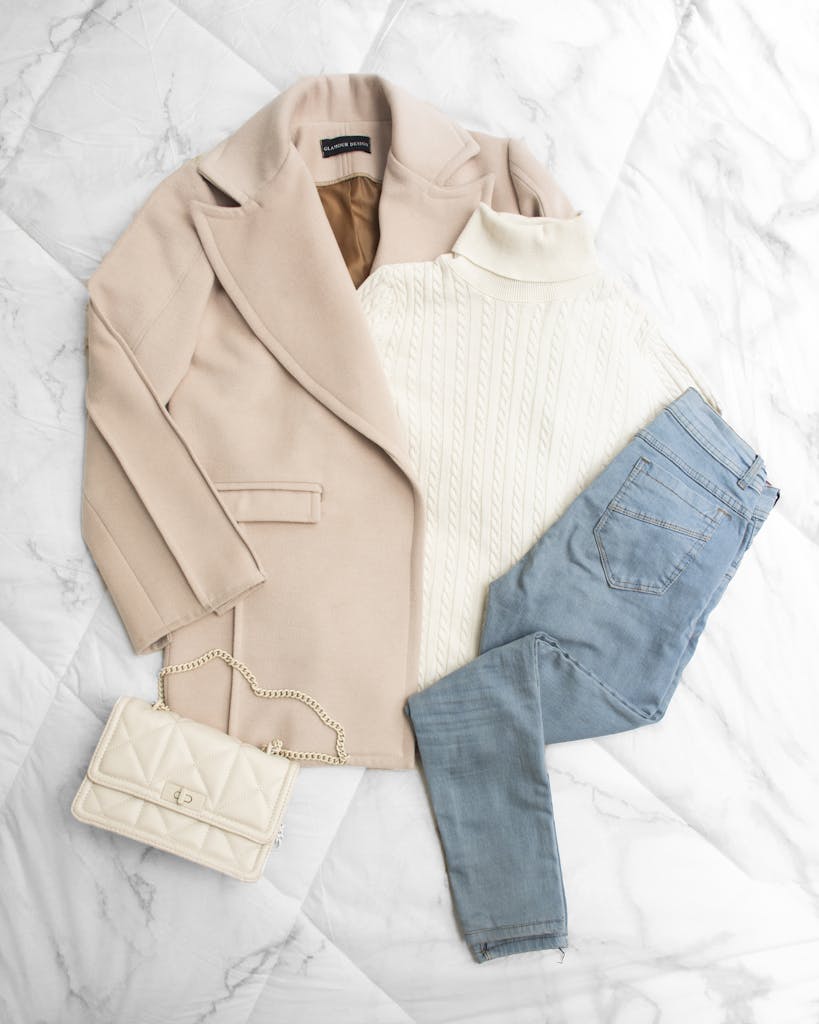
The golden rule: anything bulky stays on you, not in your carry-on. That includes boots, your heaviest sweater, and your coat—regardless of the temperature at home or where you’re headed. If you’re flying from Florida to France in October, it may feel silly to wear a wool coat at the gate, but it’ll save you space and weight in your bag.
The good news? Airlines won’t count your coat against your carry-on or personal item allowance. You can drape it over your arm or stuff it under the seat. But try bringing an extra pair of tennis shoes outside your bag and you’ll get flagged in seconds.
Travel Day Outfit Formula
- Soft, breathable base layers (like a tee or long sleeve with stretch)
- Comfortable pants or leggings you can sit in for hours
- Your heaviest outer layer (coat or jacket)
- Supportive walking shoes or boots
- A scarf that can double as a blanket
- Any hat/gloves you’ll need at your destination tucked in coat pockets
This outfit does double duty: it keeps you comfortable while flying and frees up valuable space in your carry-on for everything else.
Toiletries & Tech Without the Baggage
Because nobody wants to unpack their entire carry-on at airport security.
Let’s start with a simple rule: if I’ll want it in transit, it goes in my backpack. If I don’t need it until I arrive, it goes in the suitcase. This keeps the chaos under control when you’re in line for customs or trying to find lip balm at 30,000 feet.
Toiletries: Simplify, Streamline, Survive Security
All your travel-size liquids and creams need to be under 3 ounces and packed in a clear bag. Not mostly clear. Not sort of clear. Clear-clear. TSA needs to see what you’ve got without opening anything up, or it’s going straight in the trash.
Stick to the essentials:
- Toothpaste, deodorant, moisturizer, cleanser, sunscreen
- A few core beauty items (I bring my base makeup and go-to favorites, and that’s it)
- Leave the “extras” at home—your skin will survive a week without the full 12-step routine
Tech: Must-Haves Only
I keep my tech setup simple and organized in a small hardshell case—just big enough to hold my chargers, earbuds, and battery bank. No tangled cords, no rummaging around while the plane is boarding, and no sensory overload when my phone is about to die.
Truthfully, I hate digging through my bag. So my personal item backpack is built like a travel Tetris board—each category (tech, toiletries, snacks, etc.) has its own mini hardshell container. That way, even when I’m crammed into an airline seat the size of a high school desk, I can still find what I need without pulling everything out and looking like I’m moving in.
Keep it light. Keep it simple. Keep your cords where you can actually reach them.
What NOT to Pack
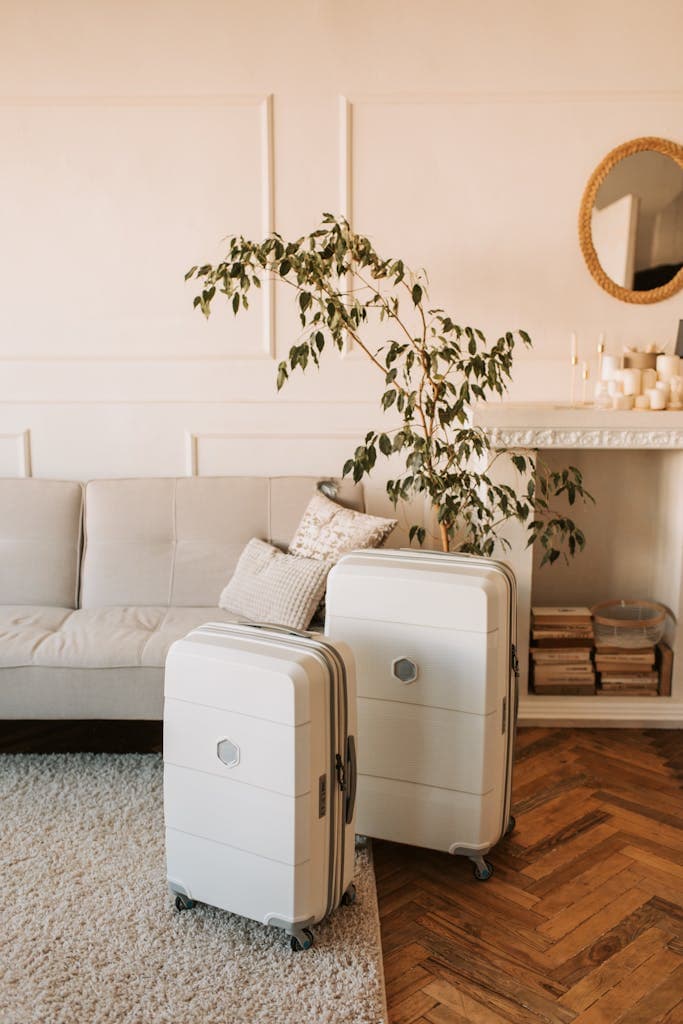
Less “just in case,” more “this will actually get worn.”
Let’s face it—most of us tend to pack for the version of ourselves we might be on vacation, not the one who ends up repeating her favorite jeans four times because they just work. Overpacking is usually driven by one thing: the fear of not having enough. But more often than not, it just leads to lugging around things you never use.
The Extras You Think You Need (But Don’t)
Here’s what almost always gets overpacked:
- Multiple pairs of pajamas (you don’t need 5–6 sets—pick 1 or 2 max)
- Too many coats (one versatile coat and maybe a light layer is plenty)
- Too many shoes (stick to: a flat/sandal, walking shoes, and one nicer pair for dinner)
- Charging cords and tech (one set of cords, one device—no need to pack a laptop, iPad, and Kindle unless you’re working remotely or doing a book tour)
- Multiples of anything “just in case”—they usually stay in your bag the whole trip
As a rule, I allow myself one extra piece per category: one top, one bottom, and one dress/skirt beyond the core capsule. That’s it. It gives me flexibility without blowing up my packing strategy.
But What If I Run Out?
Here’s the thing: you probably won’t. But if you do, there are solutions.
While I personally haven’t needed to do laundry on the road, I know the option is there. Hotels and local laundromats often offer same-day wash services. Sure, you’ll pay a little for convenience, but sometimes a clean outfit or fresh socks can make all the difference in how you feel mid-trip.
And remember—Europe is filled with stores. If you truly need something, it’s not the end of the world. You can pick it up. You’ll survive. And you’ll probably make a fun memory out of it too.
Packing light is about trusting that you’ll have enough—and letting go of the pressure to bring everything.
Final Tips for Packing Light Like a Pro
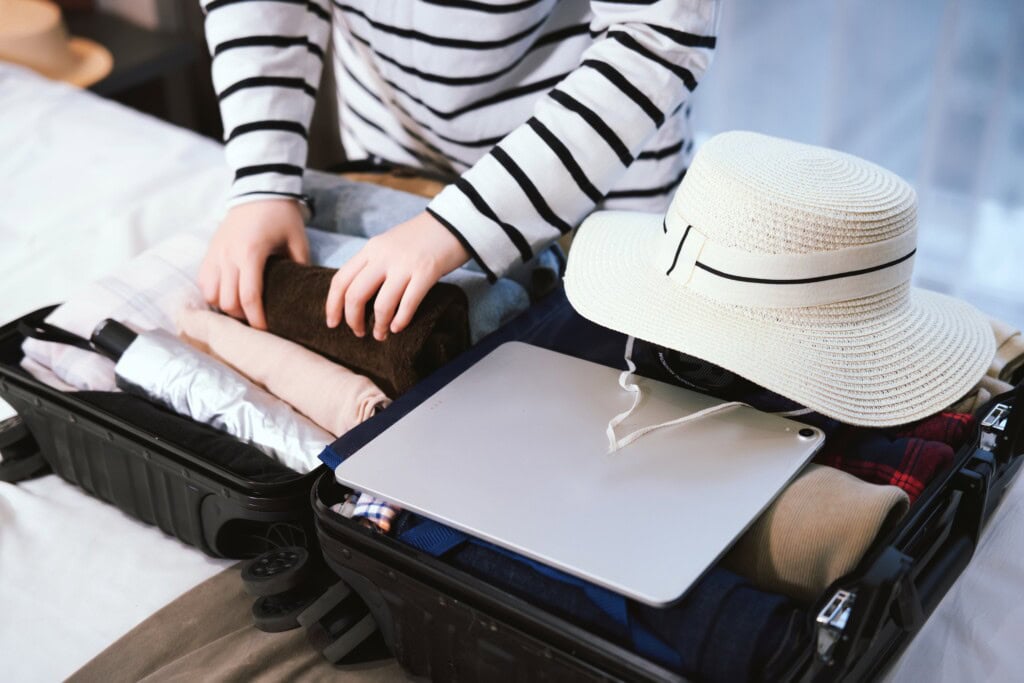
Because the suitcase isn’t just about what you pack—it’s how you pack it.
By now, you’ve got the capsule wardrobe, the compression cubes, the layering plan, and the personal item dialed in. But before you zip everything up, here are a few final tips that can make or break your packing success.
Do a Trial Run
Seriously—pack early. Don’t wait until the night before you leave to test your setup. Give yourself time to lay everything out, pack it once, then come back a day or two later and reassess. Most people find at least 2–3 things they can remove after walking through the real-life puzzle of what goes where.
Measure Twice, Fly Once
This is the biggest tip I can give you: check the carry-on size requirements for every airline you’ll be flying. Don’t assume that because your suitcase works on one airline, it’ll be fine on all of them—especially with international and budget carriers.
On our way home from Iceland, we had to check our bags because they were slightly too big—even though they were perfectly fine on the outbound flight. Go figure. It happens. But it’s avoidable if you take the time to actually measure your bags and compare them to the airline’s stated limits.
Check both the carry-on and personal item size. And don’t forget to look at weight limits too—some airlines are strict on both size and scale.
Leave a Little Wiggle Room
It’s tempting to fill every inch of your suitcase, but try to leave just a little breathing space. You’ll be glad you did when you pick up a souvenir scarf, an extra sweater, or find yourself adding an extra layer mid-trip.
Also, packing a little lighter gives you more flexibility to adjust mid-trip—maybe you layer up on the plane ride home, maybe you shift items between bags if needed. Either way, don’t pack yourself into a corner.
Packing light takes a little planning upfront, but once you get the hang of it, it’s a game-changer. You’ll move through airports faster, navigate cobblestones with ease, and have exactly what you need—no more, no less.
You Can Do This (Really)

Packing light for a fall trip to Europe might feel impossible at first—especially if you’re used to “options” and packing for every possible scenario. But with a little planning, some intentional choices, and a strategy that actually works, it’s 100% doable. And honestly? It’s pretty freeing.
You’ll move faster, stress less, and enjoy your trip without dragging half your closet across cobblestones.
And if you try it and hate it? Worst case, you buy a suitcase mid-trip or go full overpacker next time. That’s the beauty of travel—it’s all about learning what works for you. But you won’t know until you give it a try.
So take the leap. Zip that carry-on closed with confidence. Europe (and your well-packed bag) awaits.
My Favorite Tools
Viator
Really good site to find all activities that are sure to make everyone in your group happy.